Lab
Small experiments, real results, and the useful questions they leave behind.
26 stories to explore

Four small rules, a surprisingly busy world
Conway’s Game of Life turns local neighbour counts into still shapes, oscillators and moving patterns. Nothing in the rules tells a pattern where to go.
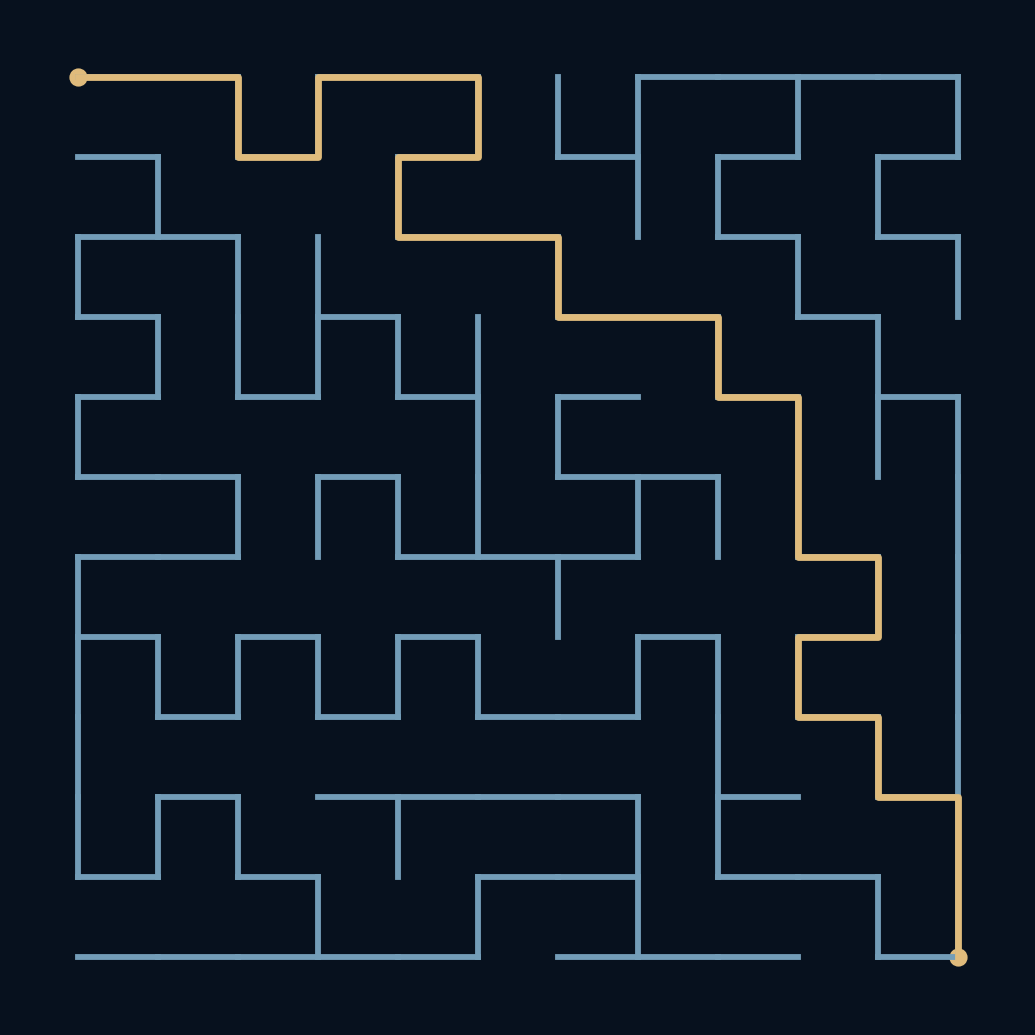
A maze is a graph wearing walls
Remove the decoration and a good maze becomes a surprisingly tidy question about connections.

A recommendation can be a matter of geometry
Before a system can find something similar, someone has to decide what counts as a meaningful difference.
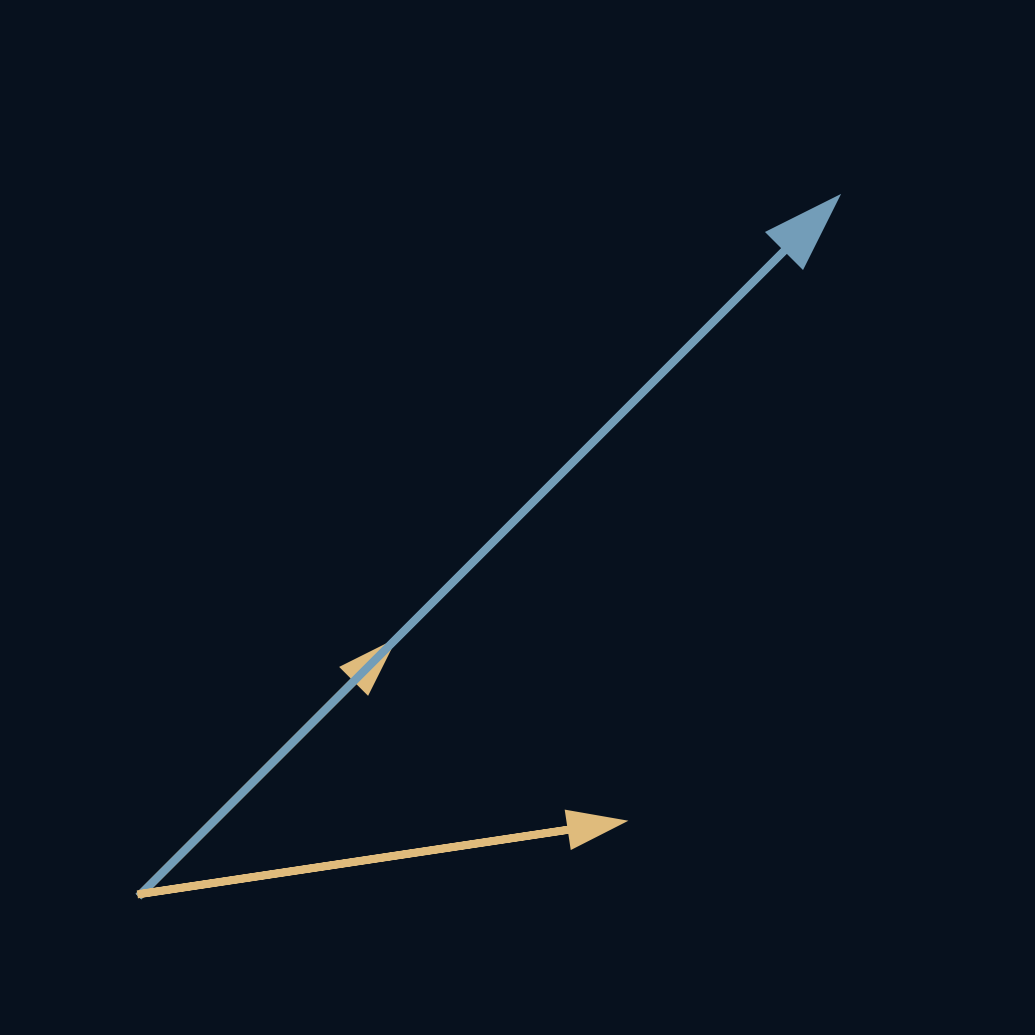
Two arrows can disagree about what close means
One comparison cares about where a vector ends. Another cares about the direction it points.
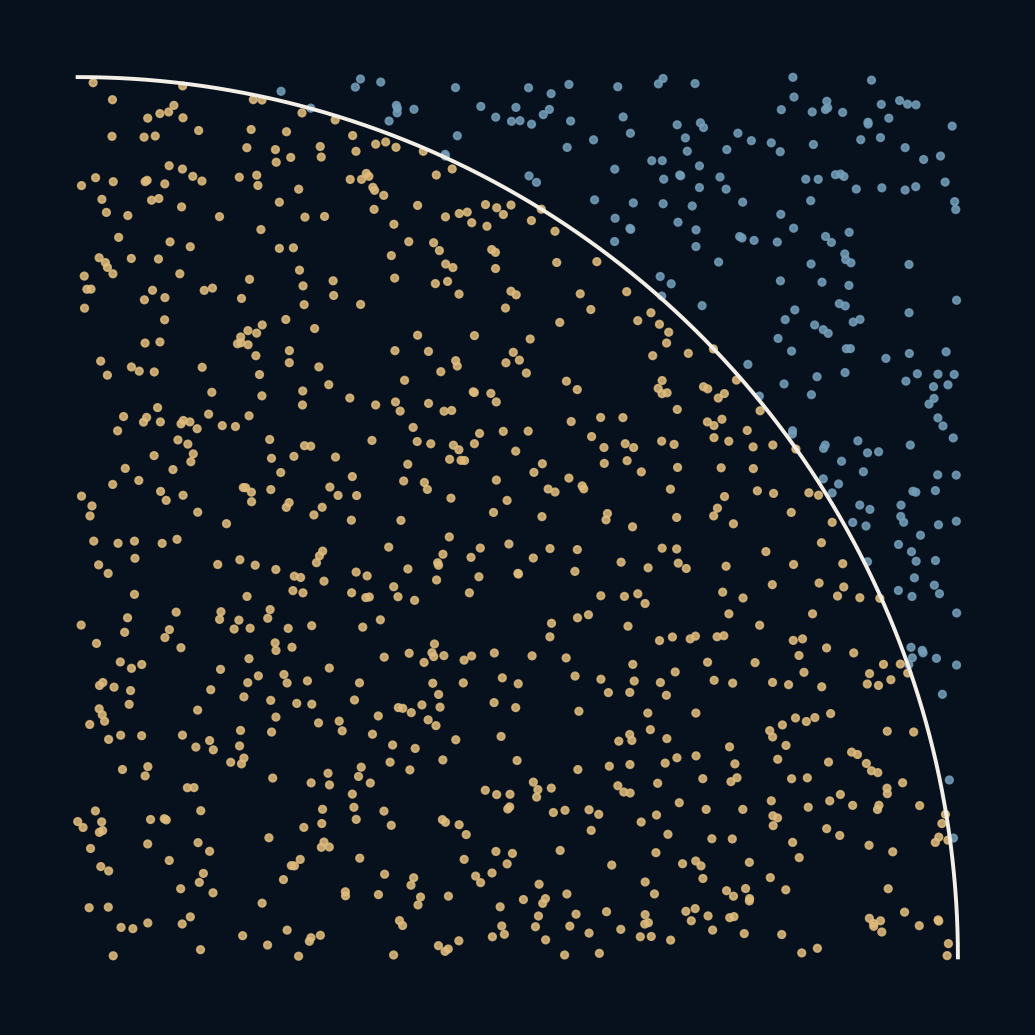
A random way to estimate a very unrandom number
Throw enough points at a square and a circle starts answering a numerical question.
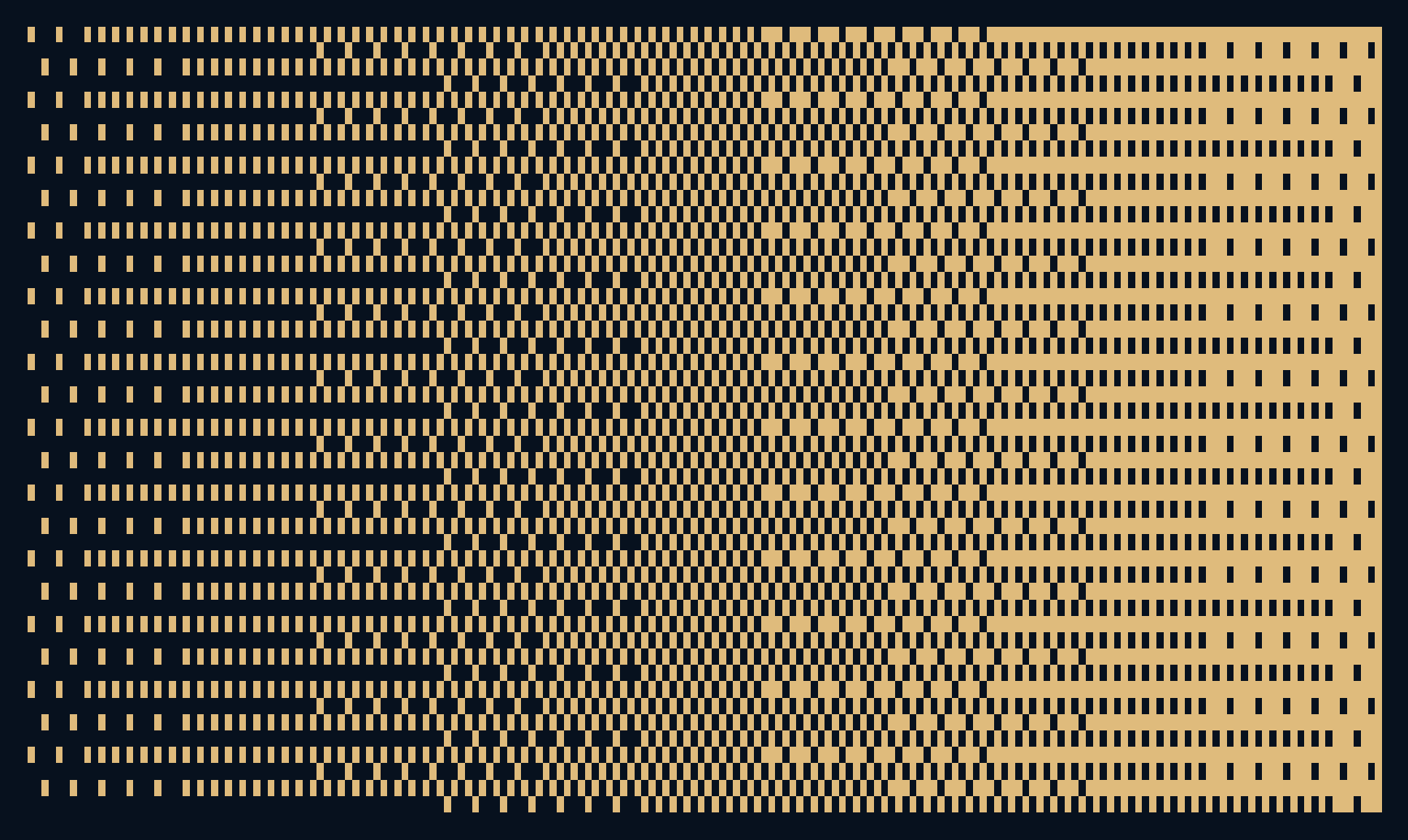
How black dots pretend to be grey
When a picture is allowed only two values, the arrangement of those values can carry the missing shades.
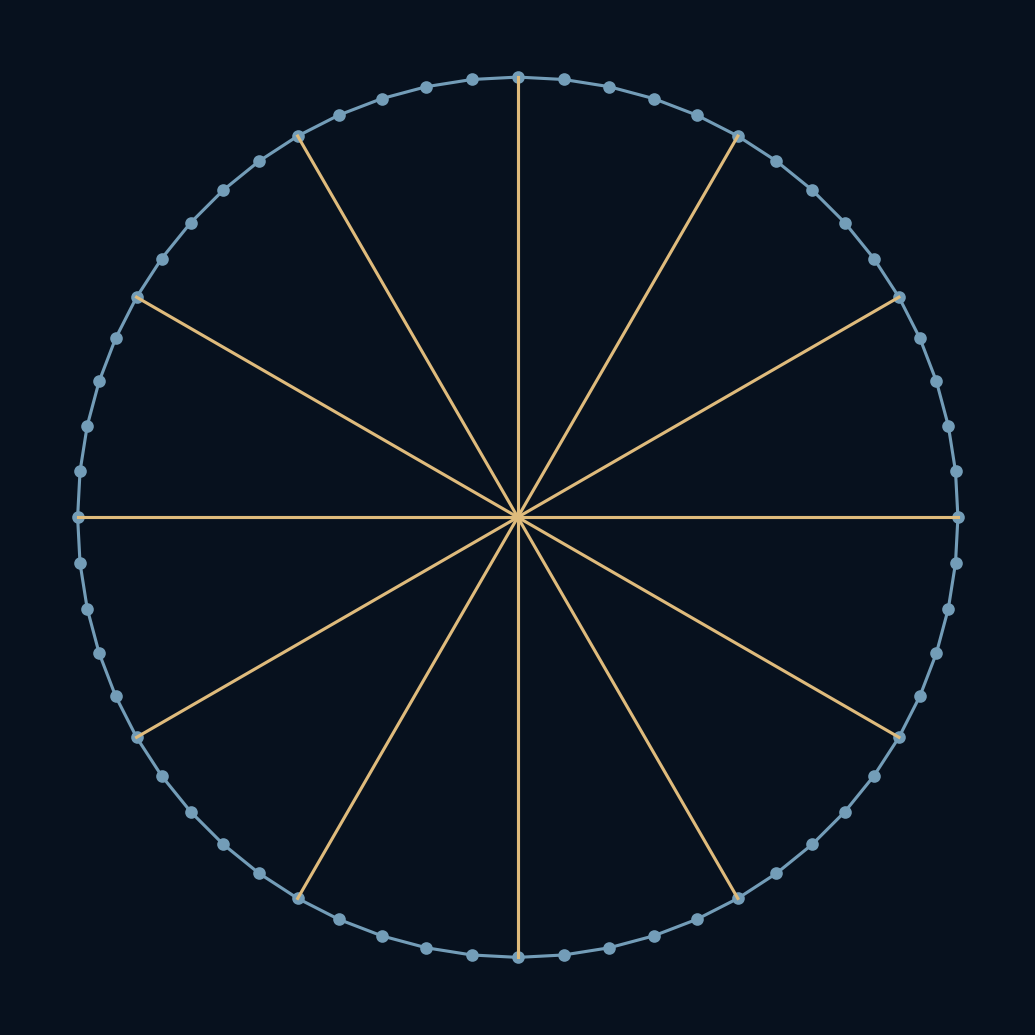
Six bridges can make a surprisingly smaller world
The places have not moved. What changed is the number of steps between them.
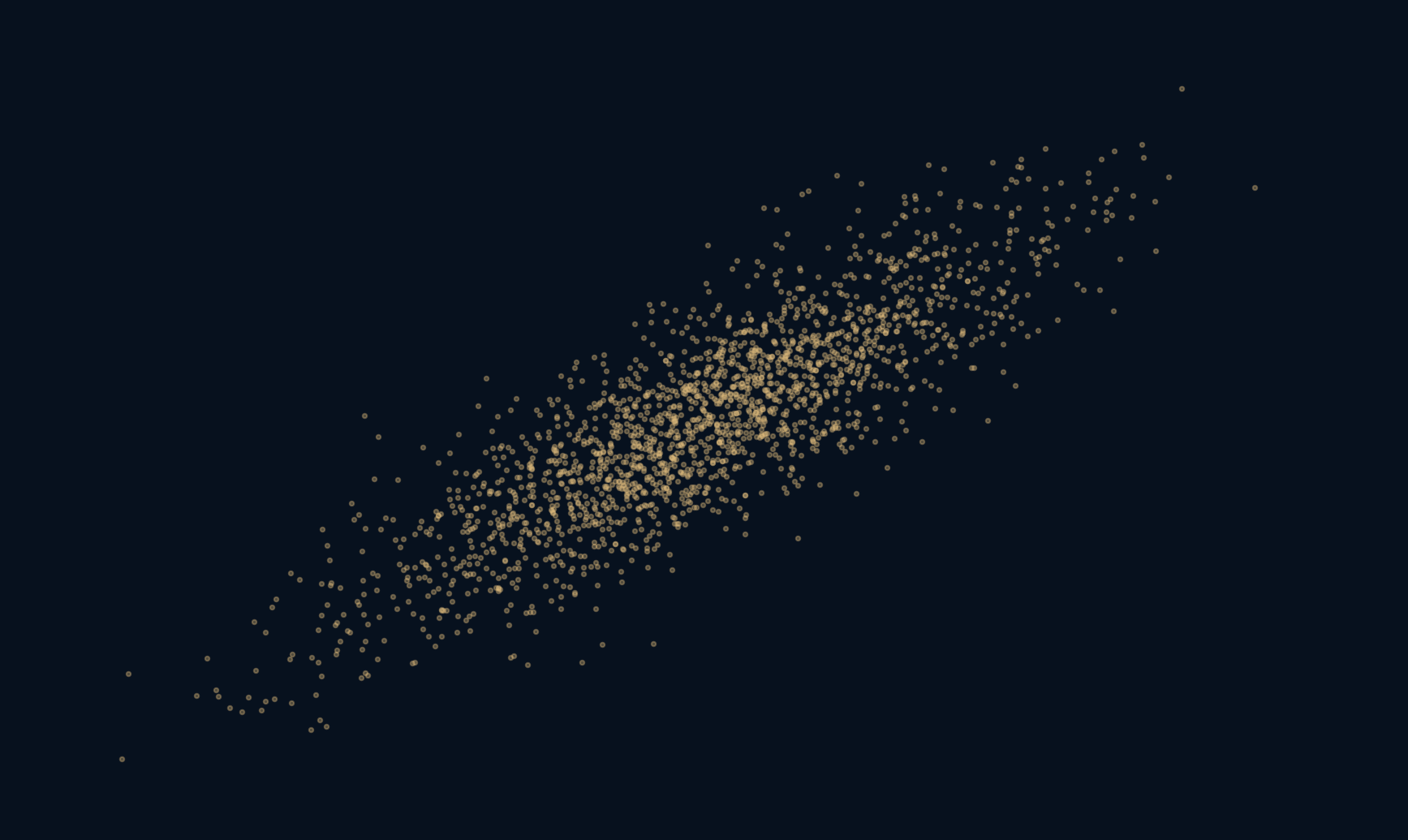
Two rising lines do not tell you which one is pulling
A strong correlation can come from a shared influence. A small synthetic experiment shows the difference between seeing a pattern and explaining it.